Black Panther Party Programs that have been adopted
by local, state and federal government agencies
throughout the United States.
The modern school breakfast program in the U.S. was directly influenced by the Black Panther Party.
Here’s the straight history:
- In 1969, the Black Panther Party launched the Free Breakfast for Children Program.
- They fed tens of thousands of children every school day across major U.S. cities.
- The goal was simple: hungry kids can’t learn. Feed them first, educate them second.
- The program was organized, disciplined, and effective—so effective it embarrassed the federal government.
The result:
- Public pressure mounted.
- Media coverage exploded.
- The federal government expanded and formalized school breakfast efforts nationwide.
- In 1975, Congress authorized the School Breakfast Program as a permanent federal program.
Important clarification:
- The National School Lunch Program existed earlier (1946).
- School breakfast as a widespread, daily, in-school program did not—until the Panthers proved it was necessary and doable.
Even the FBI acknowledged the impact. J. Edgar Hoover called the breakfast program “the greatest threat” because it built trust, community loyalty, and real outcomes.
Bottom line:
The Black Panther Party didn’t just protest. They built systems.
And America copied them when it could no longer ignore the results.
What other programs did they replicate?
Several major public and nonprofit programs in the U.S. trace their structure, logic, or urgency back to what the Black Panther Party built first. This isn’t mythology. It’s policy history.
Here’s what was effectively replicated or institutionalized later:
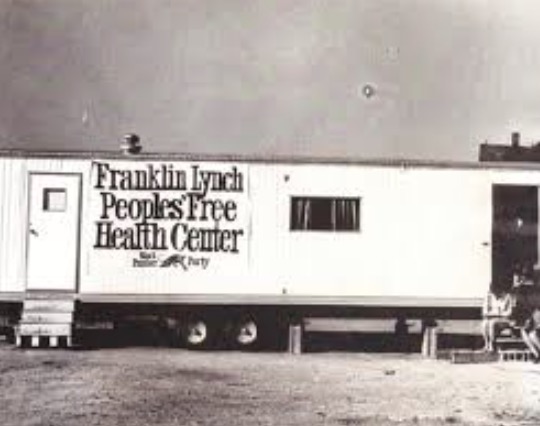
1. Free Health Clinics
Panthers provided
• Community-based clinics
• Free medical exams
• Preventive care
• No insurance barriers
What followed
• Federally Qualified Health Centers (FQHCs)
• Community health clinic expansion in the 1970s
• Mobile clinics in underserved neighborhoods
The Panthers proved healthcare access could be local, preventive, and free.
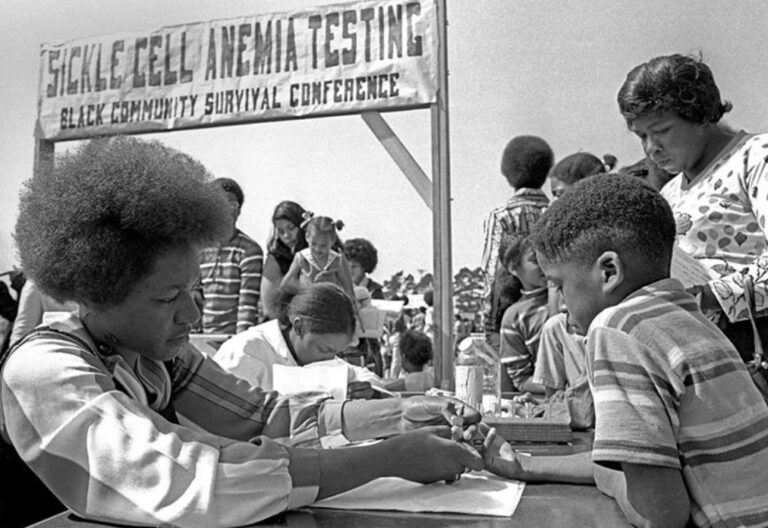
2. Sickle Cell Anemia Screening
Panthers provided
• Nationwide testing campaigns
• Education on a disease ignored by government
• Targeted Black communities intentionally
What followed
• Federal funding for sickle cell research
• State-run screening programs
• Hospital-based testing protocols
This forced the government to acknowledge a disease it had ignored because of who it affected.
3. School Breakfast & Nutrition Programs
Panthers provided
• Free breakfast
• Free groceries
• Food distribution hubs
What followed
• Permanent School Breakfast Program (1975)
• Expanded food assistance programs
• Community food pantries modeled on Panther logistics
They reframed food as an educational and public health issue.
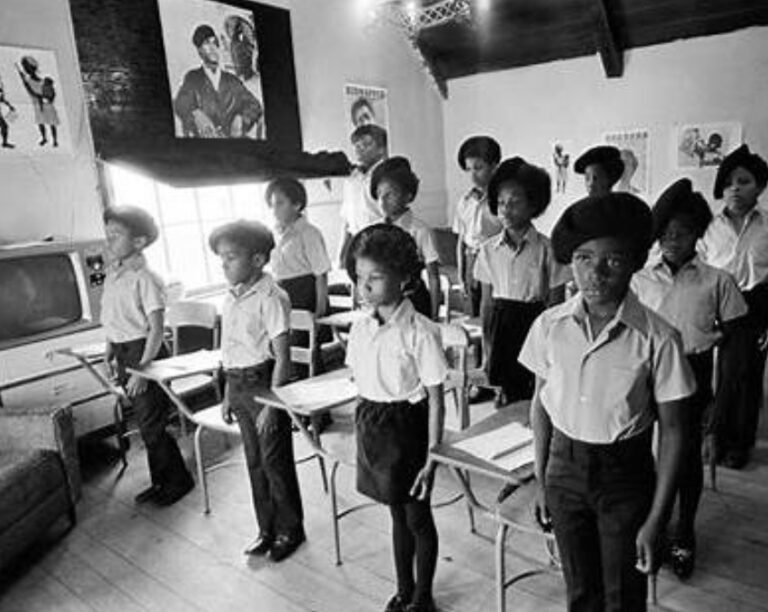
4. Education & Liberation Schools
Panthers provided
• After-school programs
• Political education
• Culturally relevant curriculum
• Community-controlled learning spaces
What followed
• Community schools model
• Ethnic studies programs
• Culturally responsive education frameworks
They challenged the idea that learning only happens in state-run classrooms.
5. Free Legal Aid & Rights Education
Panthers provided
• Know-your-rights trainings
• Court accompaniment
• Legal referrals
What followed
• Legal aid societies expansion
• Public defender reforms
• Rights education programs embedded in nonprofits
They treated legal literacy as survival.
6. Senior Support Programs
Panthers provided
• Escorting elders
• Free meals
• Home support
What followed
• Senior nutrition programs
• Community-based elder services
• Meals-on-Wheels–style outreach
They recognized aging as a community responsibility.
7. Anti-Police Violence Monitoring
Panthers provided
• Copwatching
• Documentation
• Legal observation
What followed
• Civilian review boards
• Police accountability groups
• Body-camera justification arguments
The state later adopted oversight mechanisms it once criminalized.
The Pattern
The Panthers:
• Identified unmet needs
• Built practical solutions
• Proved they worked
• Forced replication
The government response wasn’t ideological. It was reactive. Programs got adopted once they became impossible to dismiss or suppress.